
The Mecca Joint Defense Agreement: A New Collective-Defense Architecture in the Muslim World

AUG 8, 2026
AEGIS I AHSAM Regional Analysts
Middle East & South Asia Security Program
Bottom Line Up Front (BLUF)
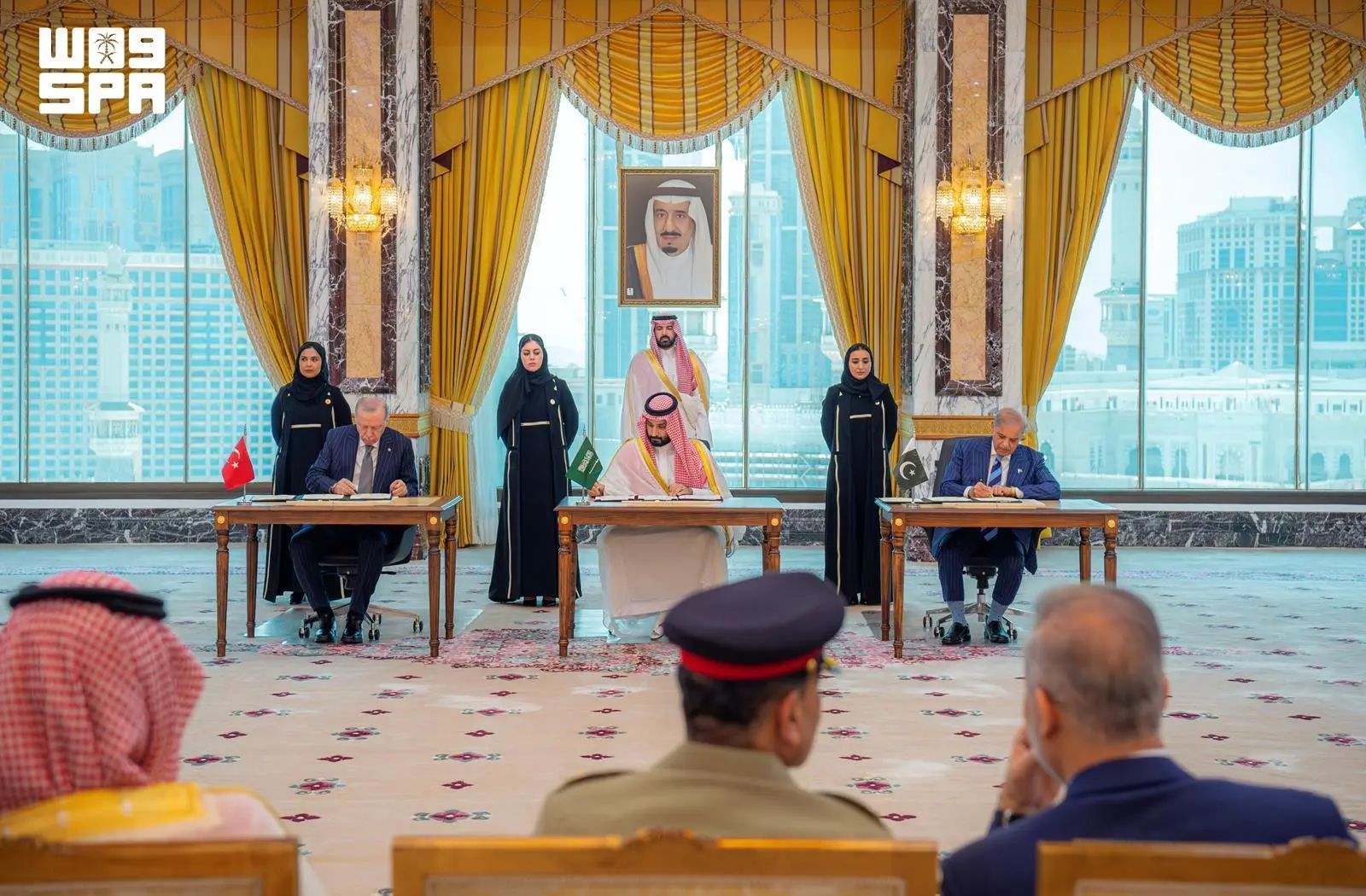
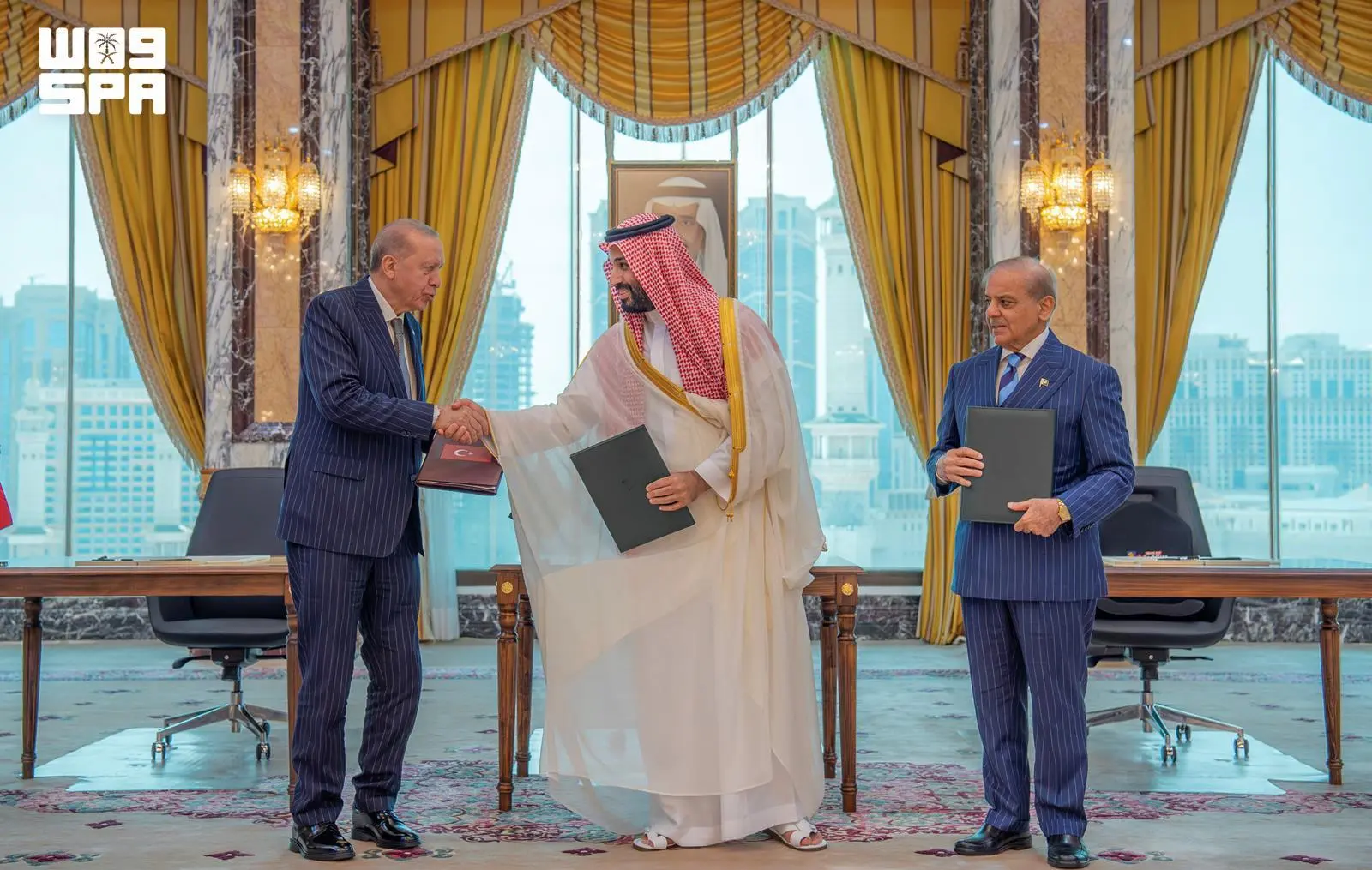
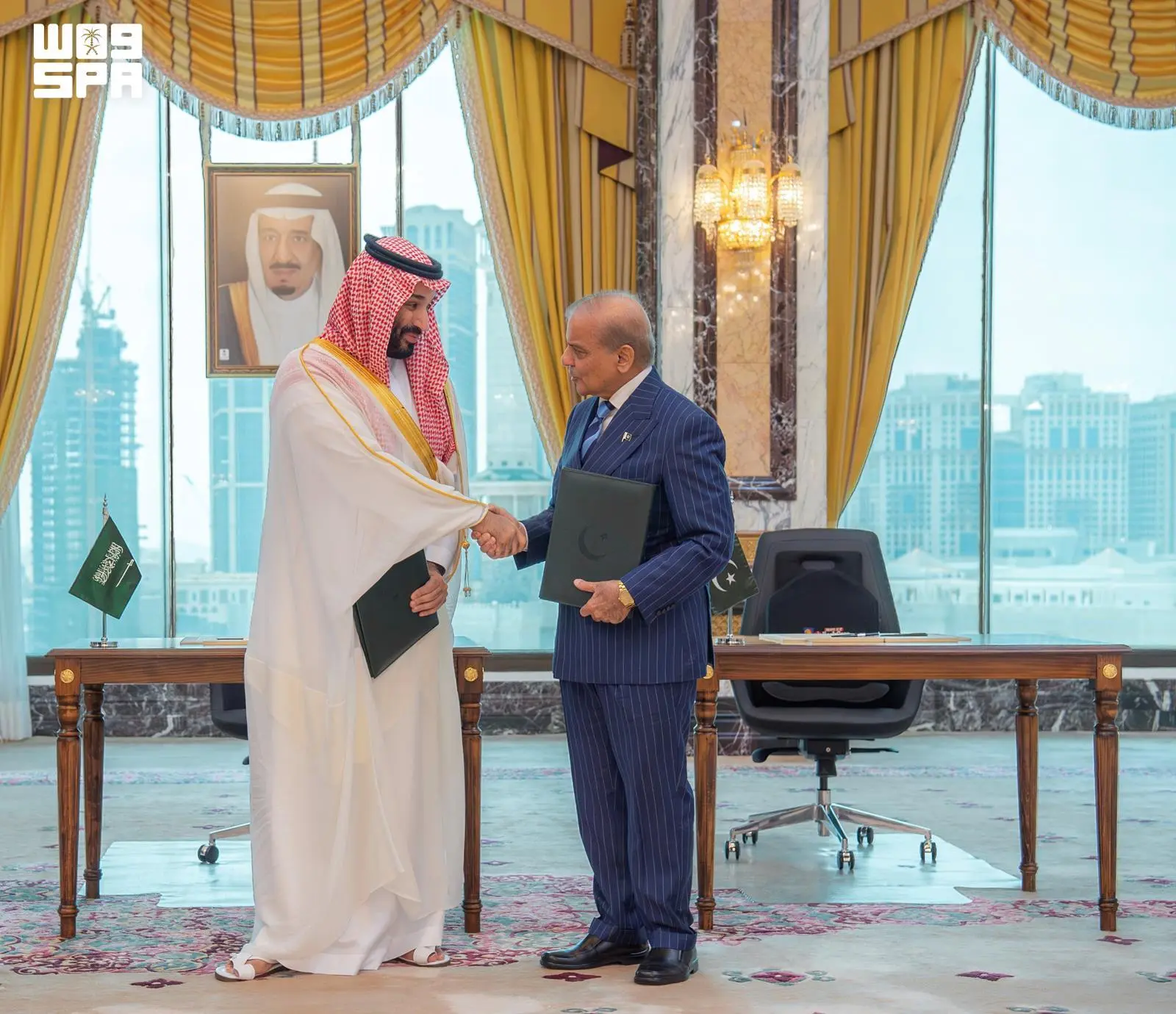
On 7 August 2026, Türkiye, Saudi Arabia, and Pakistan signed the Mecca Joint Defense Agreement at Al-Safa Palace in Mecca, formalizing a trilateral collective-defense commitment among three of the Muslim world's most militarily and economically significant states. We assess with high confidence that the pact constitutes a genuine institutional upgrade — not merely a symbolic gesture — codifying an Article 51-style mutual-defense clause under which an armed attack on any one signatory is to be treated as an attack on all three. We assess with moderate-to-high confidence that the agreement's timing and framing are driven primarily by regional threat perception arising from the ongoing U.S.-Israel-Iran conflict, rather than by a deliberate intent to establish an offensive coalition or to supplant existing alliance structures such as NATO. We assess with moderate confidence that the agreement's practical military weight — as opposed to its symbolic and diplomatic weight — will depend heavily on implementation details not yet made public, and that analysts should treat early claims of a "regional NATO" with caution pending clarification of command structures, force commitments, and trigger thresholds.Key Judgments
| Confidence | Judgment |
|---|---|
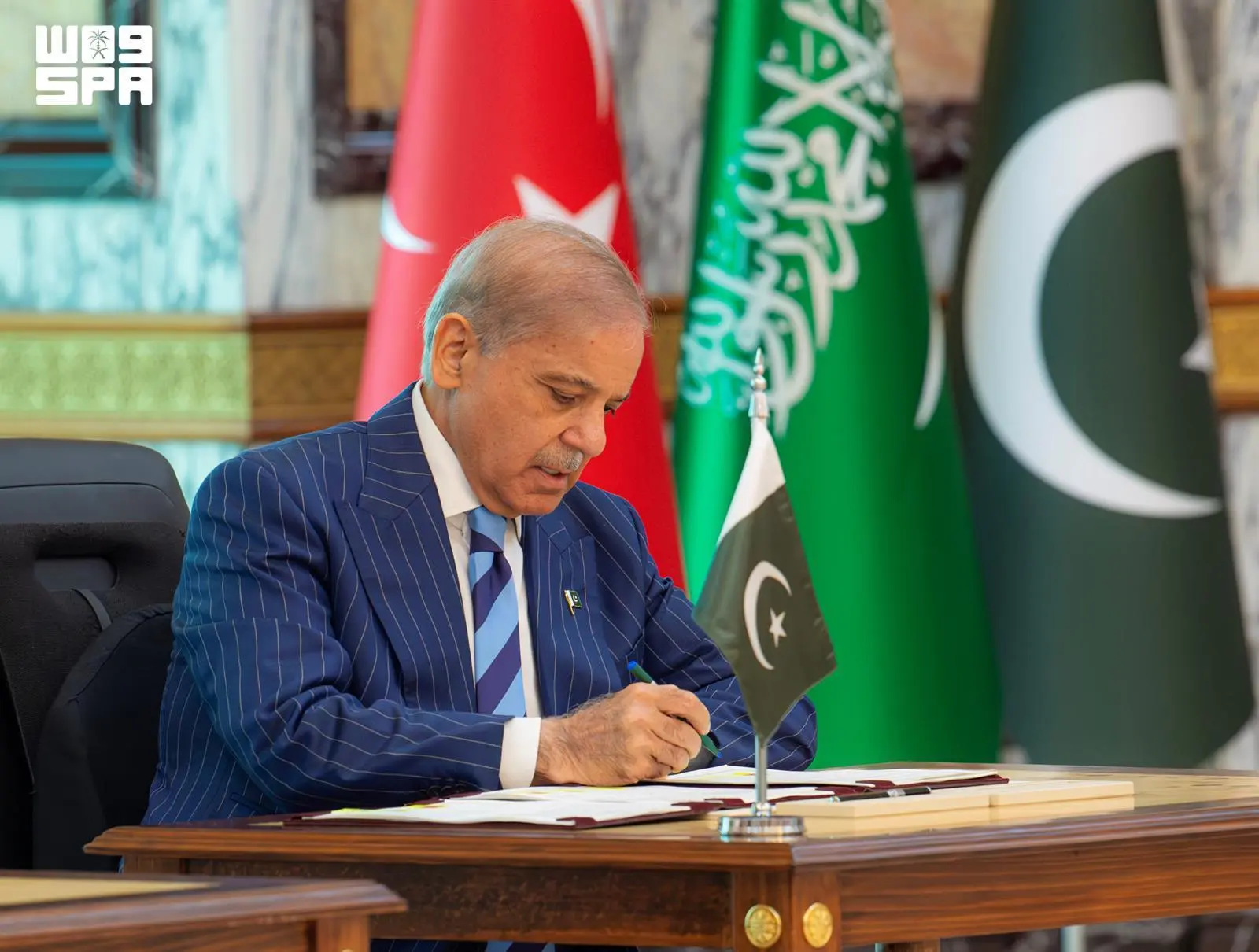
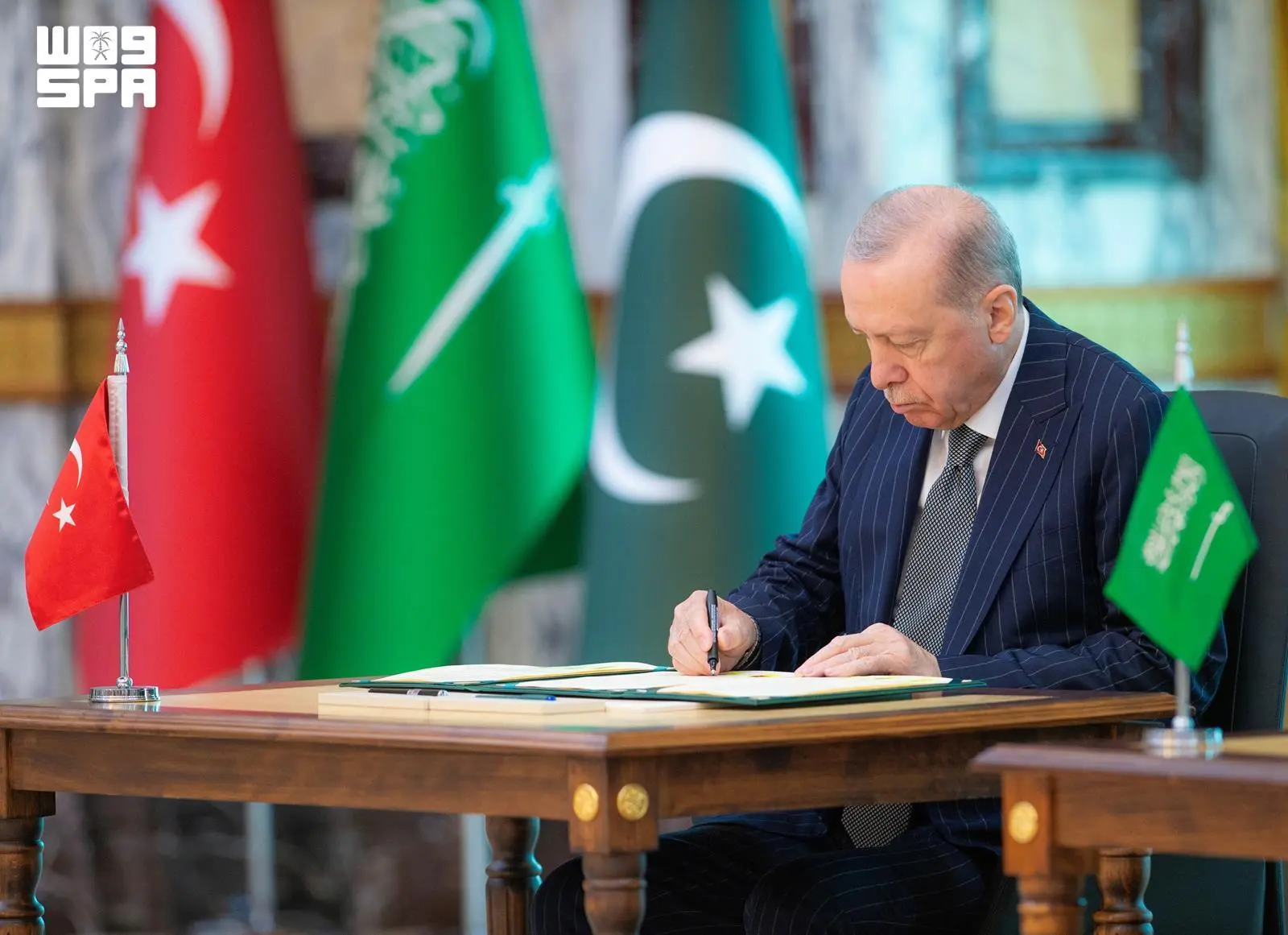
| High | The agreement was signed in Mecca by Turkish President Recep Tayyip Erdoğan, Saudi Crown Prince and Prime Minister Mohammed bin Salman, and Pakistani Prime Minister Shehbaz Sharif, following nearly a year of negotiation, and establishes a collective-deterrence clause: an armed attack against any one signatory is to be regarded as an attack against all three. |
| High | All three governments have taken care to frame the pact as strictly defensive, non-exclusionary, and open to accession by other regional states, explicitly disclaiming any intent to target a specific third country or to supersede existing bilateral or multilateral arrangements, including Türkiye's NATO membership. |
| Moderate-High | The pact's timing is most plausibly threat-driven: it follows sustained Iranian and Iran-aligned missile and drone activity against Gulf energy infrastructure since the February 2026 U.S.-Israel strikes on Iran, and reflects Saudi Arabia's evident interest in diversifying its security guarantees beyond reliance on Washington. |
| Moderate | The agreement builds on, rather than replaces, an existing bilateral foundation — most notably the September 2025 Saudi-Pakistan Strategic Mutual Defense Agreement and decades of Pakistani training and advisory deployments in the Kingdom — suggesting an incremental widening of an established security relationship rather than an entirely novel architecture. |
| Moderate | Comparisons to NATO's Article 5 are directionally accurate but likely overstate present institutionalization: public statements describe shared strategic intent and a mutual-defense trigger but do not yet detail joint command arrangements, force-generation commitments, or consultation mechanisms comparable to NATO's integrated structure. |
| Low-Moderate | Whether signatories would in practice treat a limited Iranian or Iran-aligned strike on Saudi territory as triggering the mutual-defense clause — as opposed to a more limited diplomatic or materiel response from Ankara and Islamabad — remains untested and is a key uncertainty for the agreement's credibility as a deterrent. |
I. Agreement Architecture: Provisions and Signing Context
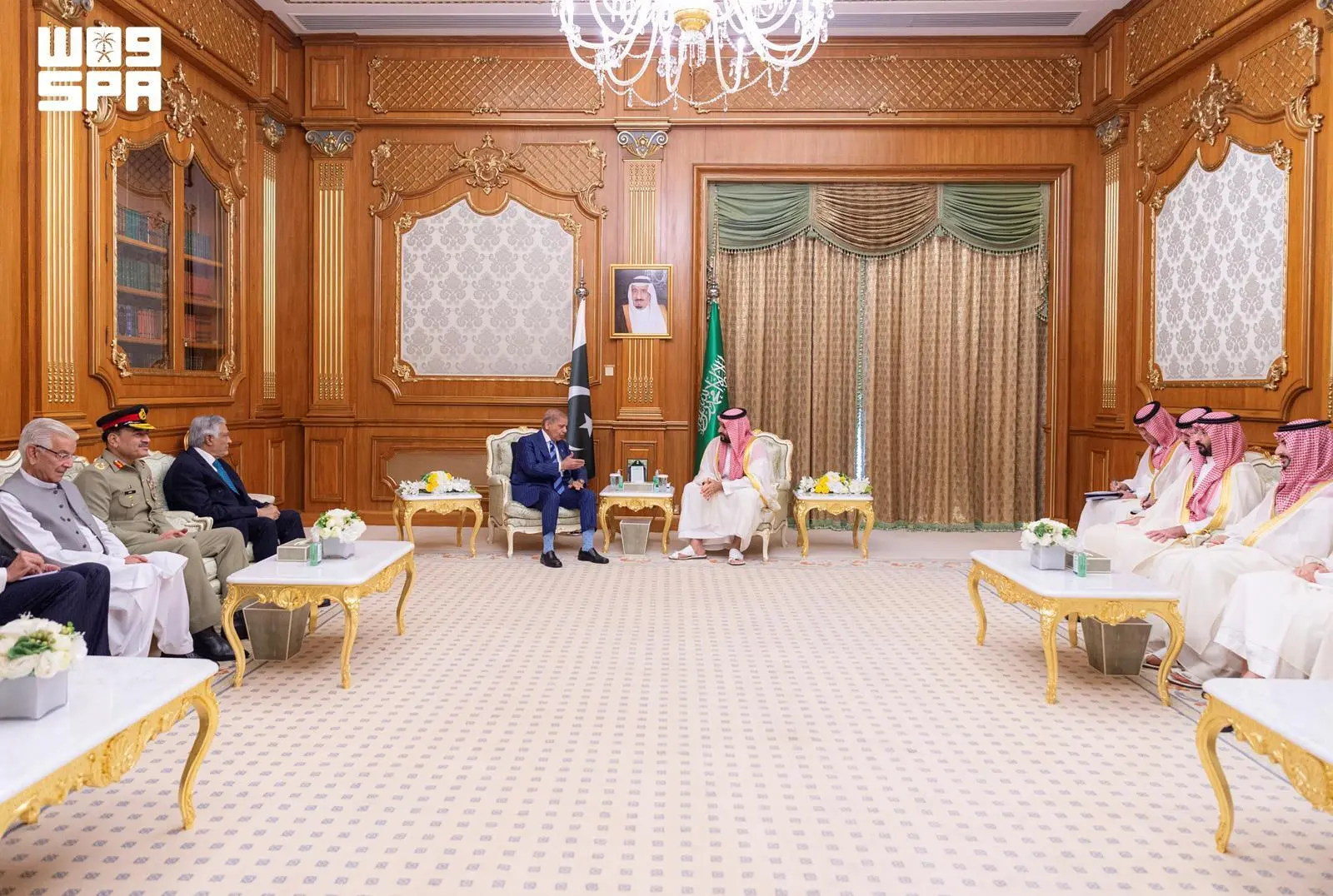
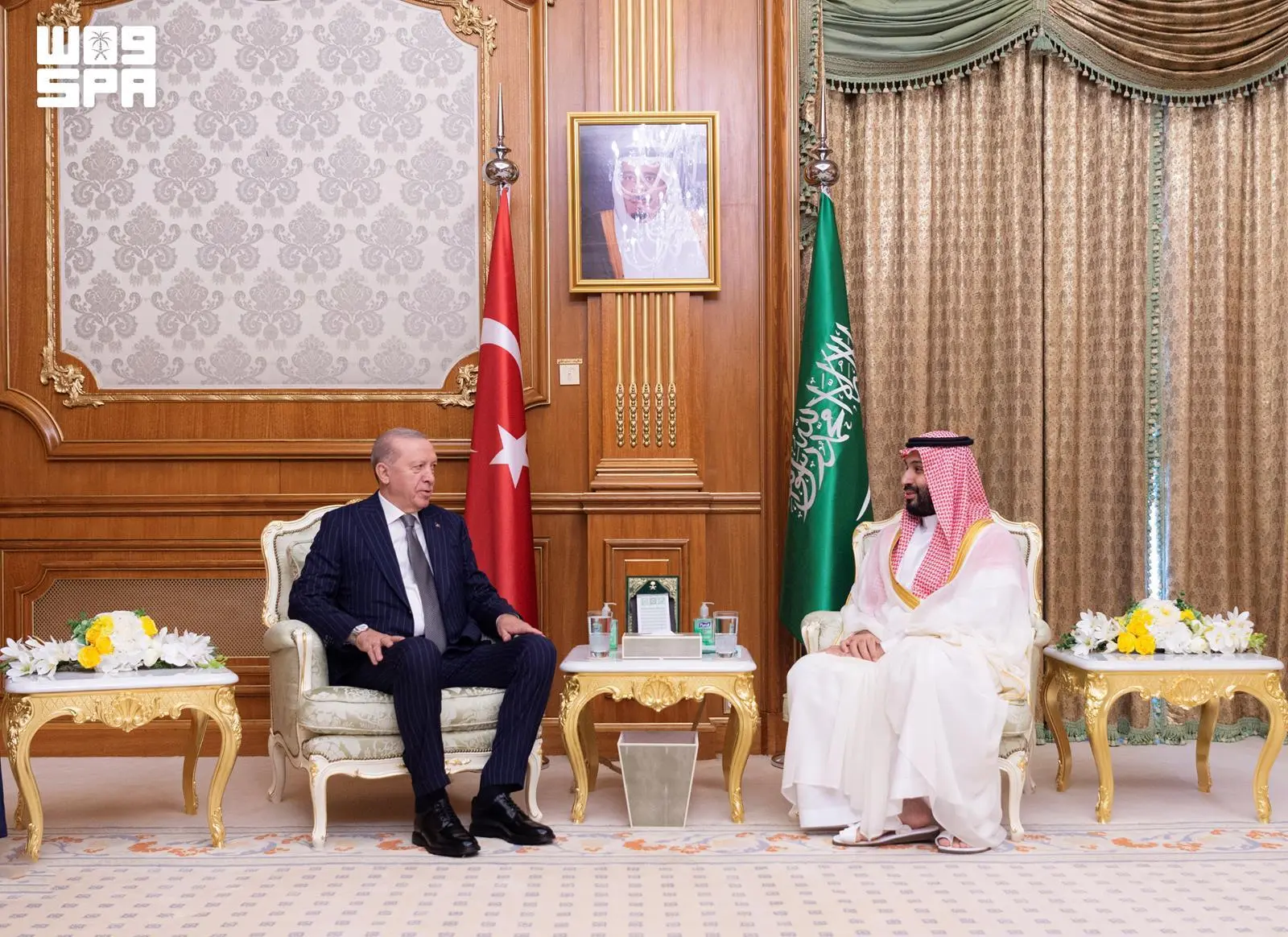
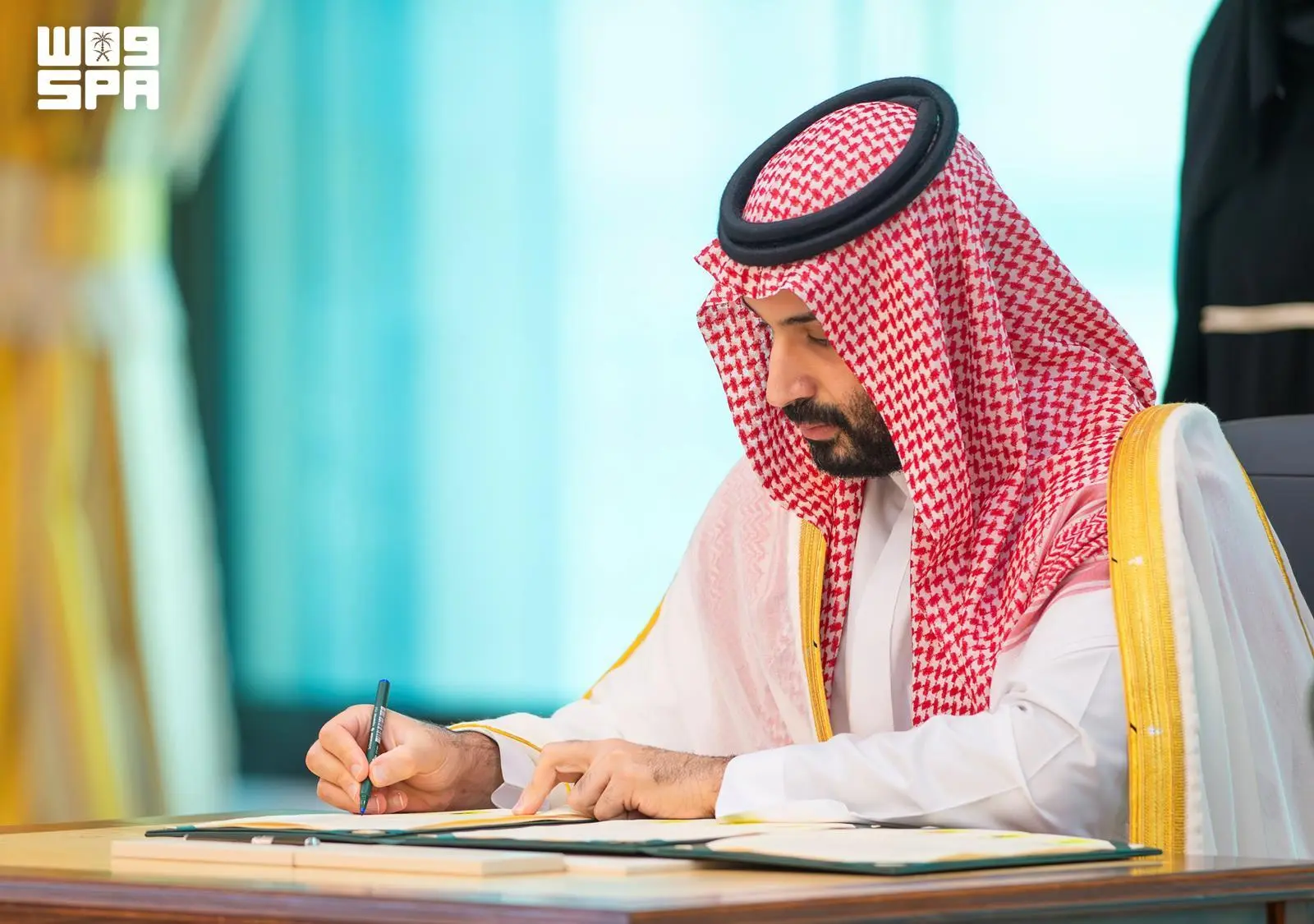
The Mecca Joint Defense Agreement was concluded at a trilateral summit hosted by King Salman bin Abdulaziz Al Saud, with Crown Prince Mohammed bin Salman, President Erdoğan, and Prime Minister Sharif signing the instrument alongside their respective foreign and defense ministers. According to the joint statement released by the three governments, the agreement is intended to strengthen collective deterrence against any act of aggression and stipulates that any armed attack against one of the three states shall be regarded as an attack against them all. The statement further provides for the enhancement of all dimensions of defense cooperation among the signatories, though — consistent with standard practice for framework-level collective-defense instruments — it does not itemize the specific military, financial, or force-posture obligations each party has accepted. Turkish government messaging places the agreement within a broader tradition of "regional ownership": a framework negotiated among the region's own states, rather than imposed or brokered externally, intended to strengthen commitments to regional and global peace, stability, and prosperity through burden-sharing. Officials describe the accord as covering expanded defense-industrial collaboration and military interoperability, building on trends already visible in bilateral ties — including Pakistani training and advisory support to Saudi forces dating to the 1960s-80s era, and a 2023 Turkish drone sale to Riyadh described at the time as Ankara's largest single defense export contract.II. Strategic Drivers: Threat Perception and Diversification
The proximate driver of the agreement's timing is the ongoing conflict between Iran and the U.S.-Israel coalition, which began with strikes on Iran on 28 February 2026 and has since drawn Gulf states, including Saudi Arabia, into repeated missile and drone attacks by Iran and its aligned militias. Riyadh's critical infrastructure and oil-export capacity have been directly targeted amid the widening conflict, generating an acute Saudi interest in diversifying its security guarantees beyond a U.S. security umbrella whose reliability Gulf planners increasingly question. Türkiye and Pakistan, while largely spared direct attack, share an interest in containing regional escalation that threatens their own economic and security interests. The pact also reflects convergent threat perceptions beyond the immediate Iran crisis. All three states have expressed firm opposition to separatism and cross-border militancy in their respective peripheries — Saudi support for the Yemeni government against Iran-aligned Houthi forces, Pakistani concerns over militancy along its western border, and Turkish concerns regarding Kurdish separatist movements — creating an additional layer of shared strategic logic behind deepened defense-industrial cooperation, technology transfer, and long-term capacity-building.III. Compatibility With Existing Alliance Structures
Turkish officials have been explicit that the agreement is not intended as an aggressive bloc, containment initiative, or offensive framework, but rather a defensive arrangement invoking the logic of Article 51 of the UN Charter — the right of individual and collective self-defense. Officials describe Türkiye's NATO membership and the new trilateral pact as complementary rather than competing frameworks, and state that the Mecca Agreement does not affect Ankara's existing international obligations. Saudi officials have offered a similar characterization, with a senior Saudi Deputy Minister for Public Diplomacy stating publicly that the pact is not directed against any state in the region. This positioning is analytically significant: it signals that none of the three signatories intends the agreement to function as a rival security bloc to Western-aligned structures, but rather as a supplementary, regionally-owned layer of deterrence — one explicitly left open to accession by other regional states. Whether that openness extends in practice to states with more adversarial postures toward the current signatories (e.g., Iran) is unaddressed in public statements and should be read as intentionally ambiguous.IV. Official Government Messaging: Comparative Reading
Government communications from all three capitals converge on a common vocabulary — "collective deterrence," "regional ownership," "brotherhood," and "Islamic solidarity" — while each capital emphasizes distinct nuances consistent with its own domestic and foreign-policy priorities. The comparative source panel below draws directly from the primary statements published by each government's own channels.🇹🇷 Türkiye
Presidency, Directorate of Communications
Frames the pact as a defense-oriented, non-targeting arrangement compatible with NATO membership, open to other regional states, and reflective of "regional ownership" of security.
iletisim.gov.tr →🇸🇦 Saudi Arabia
Saudi Press Agency (SPA)
States the agreement is guided by longstanding historical ties, brotherhood, and Islamic solidarity, and is meant to strengthen collective security and regional stability.
spa.gov.sa →🇵🇰 Pakistan
Ministry of Foreign Affairs
Emphasizes the pact as guided by longstanding historical ties, brotherhood, and shared strategic and defense interests among the three states.
mofa.gov.pk →V. Geographic and Structural Overview
The map below situates the three signatories and summarizes the pact's core provisions as documented in the joint statement and accompanying official commentary.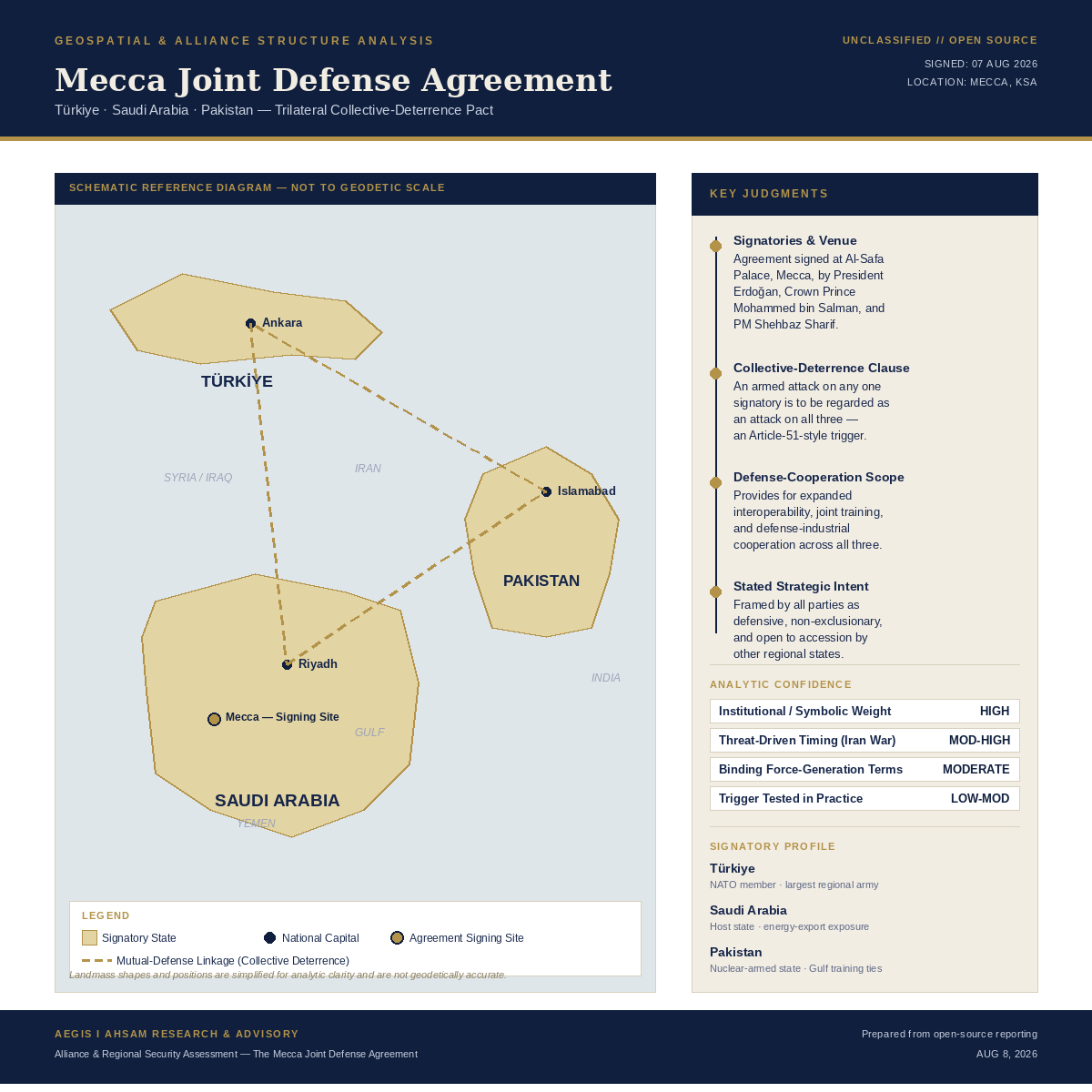
Source: composite reference map summarizing the Mecca Joint Defense Agreement, signed 7 August 2026, Al-Safa Palace, Mecca.
AHSAM analytic rendering of the collective-deterrence structure described in the joint statement of the Mecca Joint Defense Agreement. Node placement is schematic, not geographic; arrows denote reciprocal (not hierarchical) obligation.
VI. Outlook and Key Uncertainties
The Mecca Joint Defense Agreement should be read as a credible, institutionally meaningful step in South-West and South Asian security architecture, but one whose ultimate significance will be determined by implementation rather than by the signing ceremony itself. Analysts have already begun characterizing the pact as a potential reshaping of the region's security architecture; that characterization is directionally sound but should be treated as provisional until the parties clarify command relationships, consultation mechanisms in a crisis, and the practical threshold for invoking the mutual-defense clause. Three uncertainties merit continued monitoring: first, whether the agreement remains a largely symbolic and diplomatic signal or evolves toward binding force-generation commitments; second, whether other regional states — given the agreement's stated openness to accession — seek to join, which would materially alter its geopolitical weight; and third, how Iran and Iran-aligned actors interpret and respond to the pact, given that it is being concluded in the direct context of the ongoing U.S.-Israel-Iran conflict even as all three signatories have publicly denied that it targets any specific state.Primary reporting and sourcing consulted: joint statement of the Makkah Al-Mukarramah Summit for Joint Defence (Saudi Press Agency; Pakistan Ministry of Foreign Affairs); Turkish Presidency Directorate of Communications statements; Al Jazeera, CBS News, Reuters/Anadolu wire coverage, and Breaking Defense reporting on the 7 August 2026 signing in Mecca. This AHSAM assessment paraphrases and restructures that reporting in an intelligence-analysis format for an AEGIS I AHSAM audience; it does not add independent classified or proprietary information, and confidence levels reflect open-source analytic judgment only.
Photo Dossier


 01
01
 02
03
04
05
06
07
08
09
02
03
04
05
06
07
08
09